How minimalist design enhances mental well-being
A calmer, less cluttered home can make it easier to relax and focus. Here is what research says about clutter, how to create a minimalist space, and how to add canvas prints without crowding it.
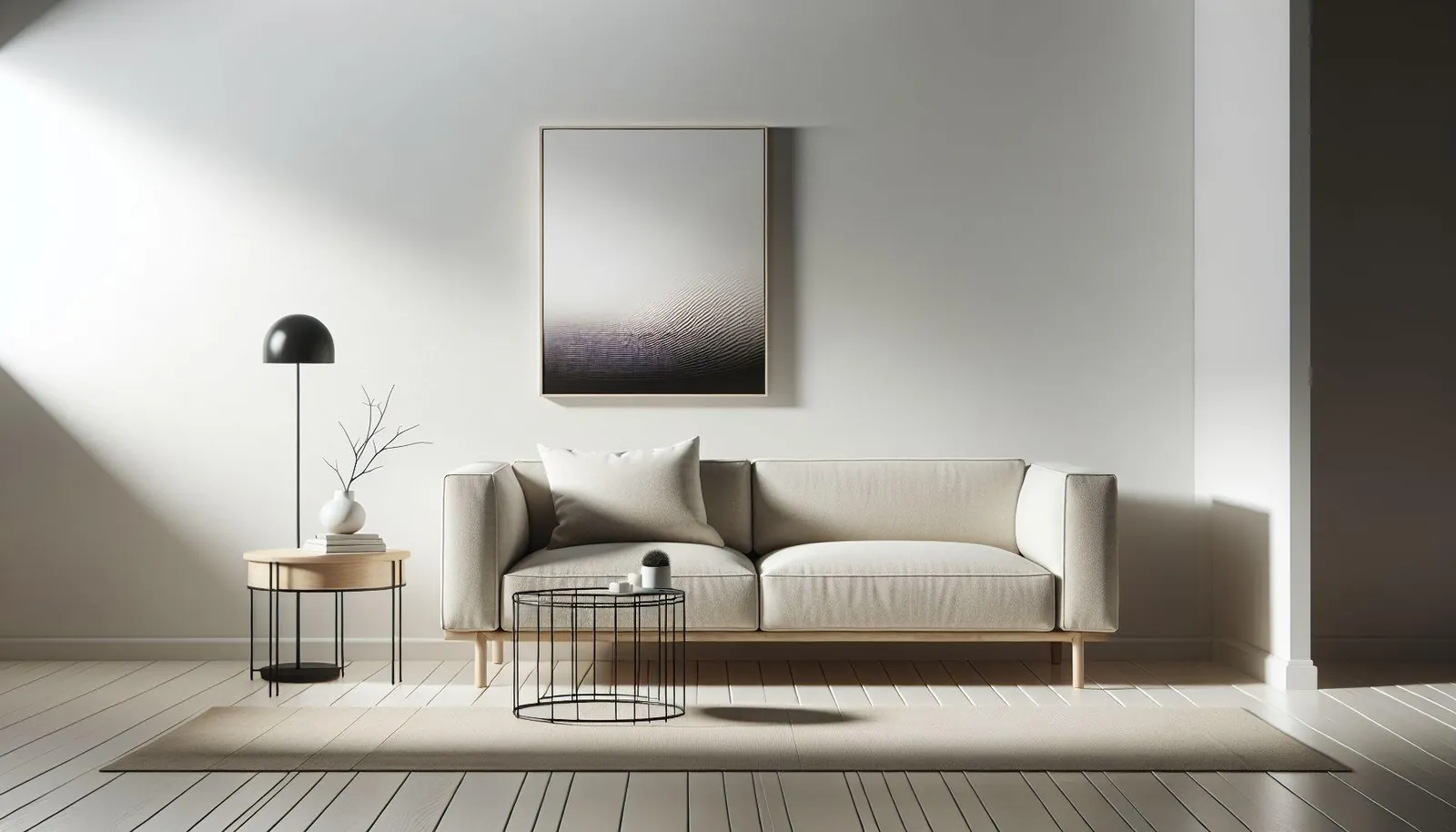
Minimalist interior design has become a popular trend in recent years. It puts simplicity and function first and uses little decor, which leaves a clean, uncluttered space. Its appeal lies not only in how it looks but also in how it may help your mental well-being.
A clutter-free home can lower stress and bring a sense of calm. With fewer distractions around, many people find it easier to focus and relax. Minimalism keeps only the essentials, so rooms end up both practical and peaceful. One way to bring these rooms to life without overwhelming them is with carefully chosen canvas prints. They can add personality and warmth that suit the minimalist look while keeping the overall sense of simplicity.
Can the spaces we live in really shape our state of mind that much?
The psychological benefits of minimalist design
Research suggests that our physical surroundings can affect our mental health. A cluttered, chaotic space can add to feelings of anxiety and stress, while a well-organized, minimalist one can have the opposite effect.1
Dr. Sherrie Bourg Carter, a psychologist who specializes in stress, writes that clutter can be a significant source of stress. It can overwhelm the senses and make it hard to relax, both physically and mentally.2 A minimalist space, by contrast, can give a sense of order and control, which many people find soothing.
Research from the Princeton University Neuroscience Institute supports this. The study found that when many objects are in view at once, they compete for our attention, and the brain's visual system can only process so much at a time.3 A minimalist room, free of unnecessary distractions, can help you focus and think more clearly.
Creating a minimalist space: practical tips
Creating a minimalist space takes more than getting rid of excess things. It calls for a deliberate approach to design and organization. These tips will help:
- Declutter ruthlessly. Go through your belongings and decide what to keep, donate or throw out. Be honest with yourself about what you really need and use regularly. The goal is a space that works and holds nothing you don't need.
- Choose multifunctional furniture. Pick pieces that do more than one job. A sofa bed, for example, gives you seating during the day and a place to sleep at night. It saves space and means you need less furniture.
- Focus on quality over quantity. Invest in well-made, durable things that will last. This cuts waste and keeps your space practical and good to look at.
Incorporating canvas prints into minimalist interiors
Canvas prints are a good way to add a personal touch to a minimalist space without overwhelming it. Here is how to use them:
- Select the right prints. Choose prints that mean something to you and suit the look of your space. Go for simple, understated designs that fit the minimalist approach. Black and white prints, abstract art and nature-inspired images all work well.
- Position them strategically. Think carefully about where each print goes, and don't crowd your walls with too many. A few well-chosen pieces that create a focal point will add to the room without taking away from its simplicity.
- Ensure they complement the decor. The colours and themes of your prints should work with the rest of your decor. That harmony helps keep the overall sense of calm.
Sources
Show all 3 sourcesHide sources
- Darby E. Saxbe and Rena Repetti, Personality and Social Psychology Bulletin. "No place like home: home tours correlate with daily patterns of mood and cortisol." January 2010. Vol. 36, no. 1, pp. 71-81. doi:10.1177/0146167209352864. pubmed.ncbi.nlm.nih.gov/19934011
- Sherrie Bourg Carter, Psychology Today. "Why Mess Causes Stress: 8 Reasons, 8 Remedies." March 14, 2012. www.psychologytoday.com/us/blog/high-octane-women/201203/why-mess-causes-stress-8-reasons-8-remedies
- Stephanie McMains and Sabine Kastner, Princeton University, The Journal of Neuroscience. "Interactions of top-down and bottom-up mechanisms in human visual cortex." Jan. 12, 2011. Vol. 31, no. 2, pp. 587-597. doi:10.1523/JNEUROSCI.3766-10.2011. pubmed.ncbi.nlm.nih.gov/21228167
Update log
- First published.